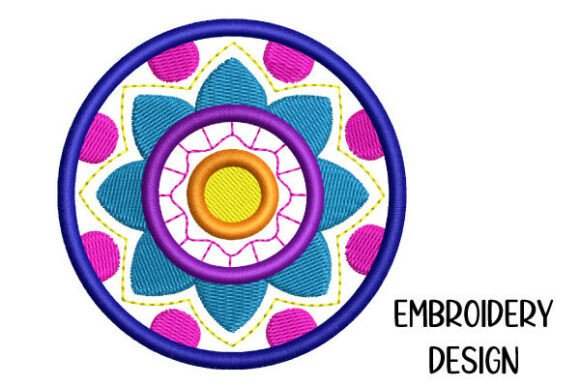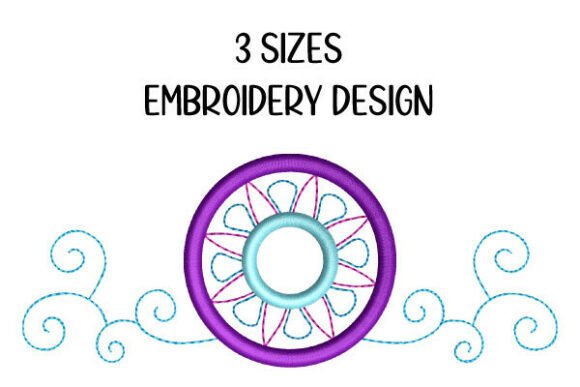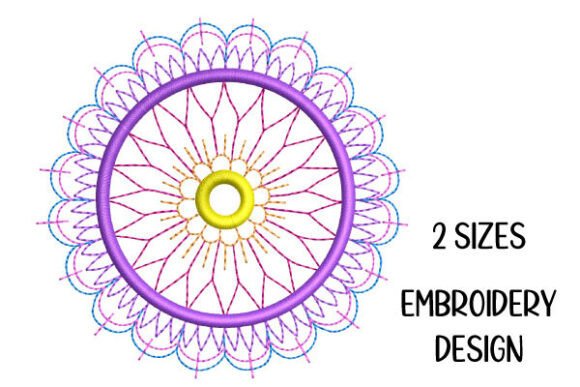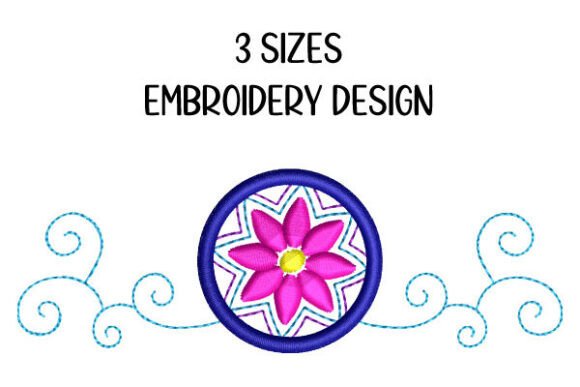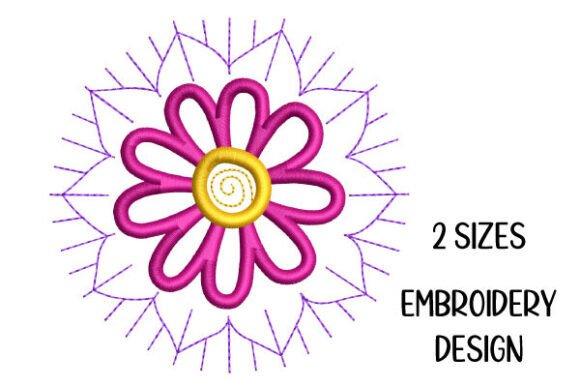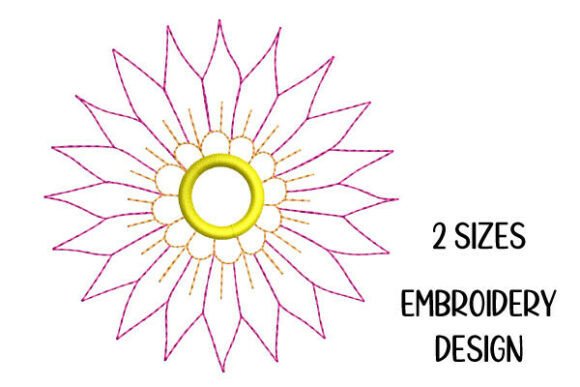
Minimal Mandala Flower Embroidery Design
A Designer’s Real-World Review Before the Craft Fair Booth
As an embroidery designer who’s prepped over 200 craft fair tables—from Portland maker markets to Nashville boutique pop-ups—I approach every new design like a buyer, a stitcher, and a seller all at once. When I first saw the Minimal Mandala Flower Embroidery Design, my instinct wasn’t “pretty”—it was “Where does this live on my table?” That’s how I judge it: not by aesthetics alone, but by booth traffic, tactile appeal, and repeat production speed. This isn’t just another mandala—it’s a quiet, confident statement stitched in light lines. It reads as elegant, modern, and deliberately minimal. Not rustic. Not boho-bright. Not whimsical or playful. It leans into calm sophistication—exactly what draws slow shoppers, gift buyers, and customers seeking handmade quality over trend-chasing.
Where It Shines (and Where It Steps Back)
On tote bag designs, the Minimal Mandala Flower Embroidery Design works best centered on the lower third of a natural canvas or oat linen tote—small enough to feel intentional, large enough to read from three feet away. It doesn’t dominate; it invites closer inspection. That’s gold at a craft fair, where people pause, lean in, and ask, “Is that hand-stitched?” (Even when it’s machine-embroidered—that’s the handmade illusion we want.)
Apron embroidery is another standout application. Place it subtly on the left chest or along the bottom hem of a full apron—especially on soft, unbleached cotton or chambray. The light line style complements the apron’s utility while elevating its perceived value. Customers consistently associate clean, balanced mandala motifs with mindful living brands—perfect for bakeries, herbalists, or ceramic studios buying custom aprons.
For tea towel embroidery, this design holds up beautifully on tightly woven linen or premium cotton towels—but avoid textured terry or heavy waffle weaves. The delicate linework gets lost in deep texture. Stick to smooth, medium-weight fabric where stitch definition stays crisp under booth lighting.
Embroidered patches are where the Minimal Mandala Flower Embroidery Design truly earns its keep. Sized at 2.5–3 inches, it becomes a collectible accent—ideal for jacket sleeves, denim pockets, or small pouches. Its symmetry and open negative space make it highly scalable and easy to digitize cleanly. As a small shop product, patches let you batch-produce fast and sell at multiple price points (single patch vs. 3-pack vs. curated gift set).
It’s less effective on curved surfaces like caps unless resized carefully and tested on scrap. Tiny floral nodes and fine connecting lines can blur on high-crown curves or dense twill. Likewise, avoid placing it on dark fabric without confirming thread contrast—light line style demands visibility, not mystery.
Production Realities: What Your Hoop—and Your Time—Can Handle
This is a machine embroidery design built for clarity, not complexity. There’s no dense fill work, no micro-lettering, no overlapping satin stitches that snag or pucker. That means faster hooping, fewer thread breaks, and consistent results across 30+ pieces—a must for craft fair prep. But “minimal” doesn’t mean “no testing.” Always run a sample on your target fabric with your actual thread colors and stabilizer. A lightweight cutaway works best for stable fabrics like cotton poplin; tear-away suffices for tea towels if you’re careful with tension.
Check stitch density before scaling down: below 1.75 inches, some inner petal lines may merge or disappear on screen-printed mockups—even if they stitch cleanly. That’s why I always create at least one real printable mockup on the exact fabric I’ll use. Digital previews lie. Fabric doesn’t.
The embroidery file’s light line style also photographs exceptionally well for Etsy seller listings—clean edges, strong contrast against white or neutral backdrops, and zero visual noise. It translates effortlessly into lifestyle shots: draped over a ceramic mug, pinned to a corkboard, stitched on a linen pillow cover beside dried lavender. That consistency builds brand recognition fast.
Booth Psychology: How This Design Moves Product
In a crowded marketplace, attention is currency—and the Minimal Mandala Flower Embroidery Design trades in quiet confidence. It doesn’t shout. It lingers. At my last fair, I placed embroidered tea towels with this motif beside bolder, busier designs. The minimalist ones sold out first—not because they were cheaper, but because they felt like heirlooms in waiting. Buyers said things like, “It looks like it belongs in my kitchen,” or “I’d frame this.” That emotional resonance lifts perceived value instantly.
For handmade product branding, it supports cohesion across categories: same motif on a market bag, a pouch, and a pillow cover signals intention—not randomness. That strengthens your booth display strength and makes your table feel curated, not cluttered. And yes—it performs beautifully as a commercial embroidery offering: scalable, licensable, and versatile enough for boutique makers building private-label collections.
Careful-Use Notes Every Designer Should Heed
- Avoid dense stitch areas—this design has none, but confirm no hidden fills in your file.
- Tiny details (like central flower nodes) hold up well—but test below 1.5" size on textured towels or thick fabric.
- No lettering involved, so no legibility concerns—just pure shape and flow.
- Works on light-to-mid fabrics only. Skip heavy canvas, fleece, or velvet unless you’re using ultra-strong stabilizer and reducing density manually.
- Curved cap surfaces require re-digitizing or resizing—don’t assume default hoop size fits.
- Dark fabric demands high-contrast thread. Ivory on charcoal? Yes. Ecru on navy? Test first.
Final Stitch: Why This Design Belongs in Your Next Batch
The Minimal Mandala Flower Embroidery Design isn’t flashy—but flash rarely sells at craft fairs. What sells is trust, tactility, and timelessness. This design delivers all three. It feels premium without being pretentious, modern without dating quickly, and handmade without looking labored. Whether you’re an Etsy seller refreshing your catalog, a digital embroidery file creator expanding your design assets, or a boutique maker sourcing commercial embroidery for client projects—it’s a quietly powerful addition.
Before you order or download: test the embroidery file on scrap fabric. Check thread contrast. Review spacing between elements. Confirm your hoop size matches the largest version you’ll use. Inspect stitch density—not just for beauty, but for durability in washing and wear. And absolutely verify commercial licensing terms if you plan to sell finished products. Because the best craft fair product isn’t just beautiful—it’s built to last, sell, and represent your brand with quiet authority.