Minimalist Bloom Trio Embroidery Design-Digital File
First Impression: Quiet Confidence, Not Clutter
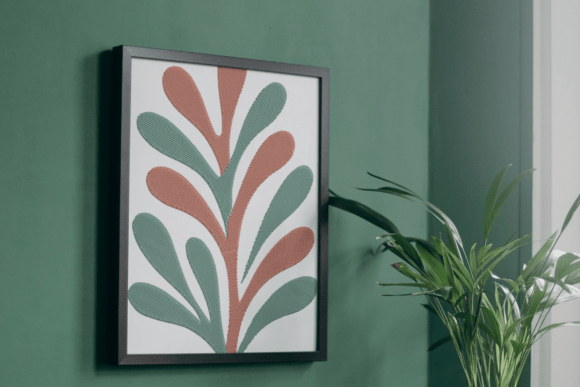
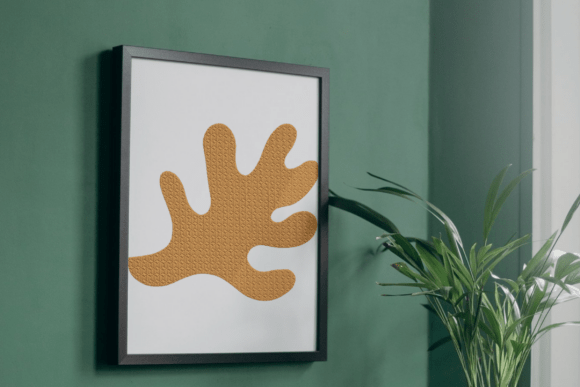
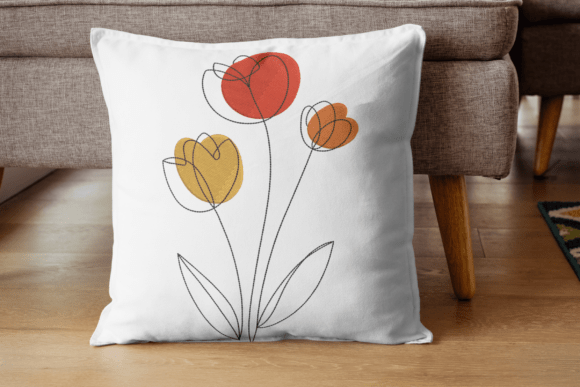
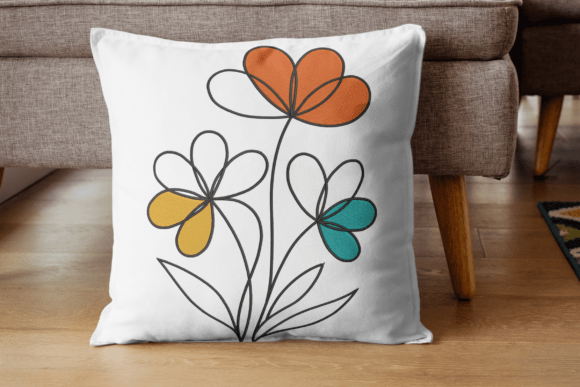
As an embroidery designer who’s prepped over 200 craft fair booths—and watched which designs stop foot traffic versus which fade into the background—I opened Minimalist Bloom Trio Embroidery Design-Digital File expecting simplicity. What I got was smarter: three distinct yet harmonized blooms—no filler leaves, no trailing vines, no ornate stems—just clean silhouettes with intentional negative space. It reads as elegant, not precious; modern, not cold; minimal, not sparse. That balance is rare in Single Flowers embroidery files—and it’s exactly why this design belongs on your best-selling handmade product.
Where It Shines: Craft Fair-Ready Product Pairings
This isn’t a “one-size-fits-all” embroidery file—it’s a curated accent. On a natural linen tote bag? Perfect. Centered just below the handle seam, it adds quiet luxury without shouting. On a cotton apron? Ideal for the chest pocket or lower left corner—small enough to respect the garment’s function, bold enough to catch light and attention. For tea towel embroidery? A single bloom placed near the hem gives structure and softness; all three spaced evenly across a set of three towels creates instant cohesion for boutique buyers.
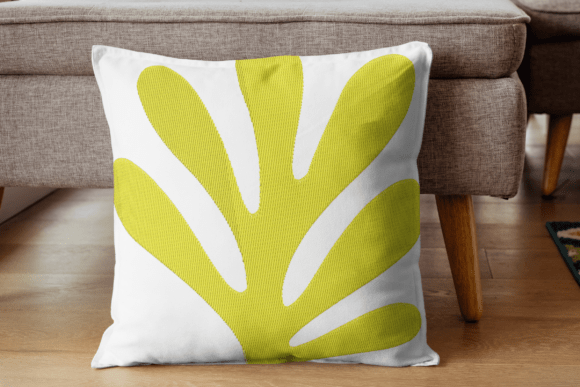
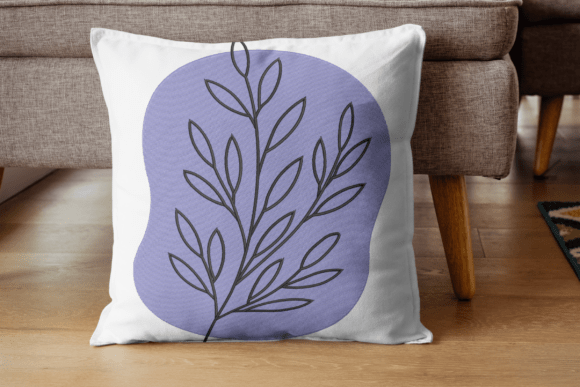
It also excels where subtlety sells: embroidered patches (great for swapping onto denim jackets or market bags), small fabric pouches (think lavender sachets or gift card holders), and pillow covers in neutral weaves. Unlike busy florals that compete with texture, Minimalist Bloom Trio Embroidery Design-Digital File lets the fabric breathe—so your handmade quality shines through, not underneath.
What Buyers Actually Notice—And Why It Converts
In a crowded craft fair aisle, people scan in under three seconds. This design wins because it’s instantly legible at 3–4 inches wide: no tiny stamens to blur, no overlapping petals to stitch poorly, no fine lines that vanish on textured towels. Customers don’t read “bloom trio”—they feel calm, intentional, made with care. That translates directly to perceived value. A $28 embroidered tea towel feels like a premium small shop product—not a generic Etsy seller item—because the design doesn’t look mass-produced.
For Etsy sellers and digital sellers alike, it photographs cleanly. No harsh shadows needed. No retouching required for clarity. And because it’s inherently scalable (works beautifully at 2.5”, 4”, or 6”), you can use one embroidery file across multiple listings—tote bag design, apron embroidery, and printable mockup assets—all while keeping brand consistency tight.
Production Reality Check: Smart Stitching, Fewer Surprises
As a working embroidery designer, I tested this on midweight cotton, terry cloth, and twill caps. Here’s what held up—and what needs attention:
- Stitch density is moderate—not dense enough to buckle lightweight fabrics, not sparse enough to look unfinished on dark fabric. Still, always test thread contrast: ivory thread on charcoal linen reads beautifully; navy thread on black canvas may lose definition.
- It works cleanly as a small accent (ideal for patches or pouch corners) but also holds presence as a focal design when scaled to 5.5” on a pillow cover. No awkward stretching or distortion.
- On curved cap surfaces? Use a smaller version (under 3”) and confirm hoop size fits your cap frame. Avoid placing near the bill seam—fabric tension there can distort delicate petal curves.
- On thick or textured towels? Stabilizer choice matters. A cutaway + tear-away combo prevents puckering without adding bulk. Skip lightweight stabilizers—they won’t support the clean edges this design relies on.
Careful-Use Notes Every Designer Should Flag
This design is forgiving—but not magic. Avoid shrinking it below 1.75”: tiny centers and narrow petal tips risk stitching errors or thread breakage, especially on older machines. Don’t force it onto heavily textured burlap or stiff canvas without adjusting underlay stitches first. And if you’re embroidering on dark fabric, double-check that the digitizing includes satin-stitched edges—not just fill—which helps prevent haloing.
Also: Minimalist Bloom Trio Embroidery Design-Digital File assumes clean, flat fabric placement. If you’re planning commercial embroidery on stretchy knits or ribbed cuffs, add a light tear-away stabilizer *under* the fabric—not just behind it—to maintain petal shape.
Design Integrity Meets Booth Impact
Your craft fair booth isn’t just selling products—it’s selling mood, trust, and intention. This embroidery file strengthens all three. When customers see the same refined bloom repeated across your tote bags, tea towels, and patches, they subconsciously register cohesion—like a boutique collection, not a grab-bag of handmade items. That builds repeat engagement: someone who buys a pillow cover today will remember your brand when they need an embroidered apron next season.
It also elevates your perceived expertise. Minimalism requires precision—not less work, but more thoughtful work. That shows in clean stitch starts, balanced spacing, and intentional pauses between elements. Buyers feel that difference, even if they can’t name it.
Pro Designer Checklist Before You Stitch
- Test the Minimalist Bloom Trio Embroidery Design-Digital File on scrap fabric matching your final product—especially for texture and weight.
- Review thread colors against your base fabric in natural light—not just screen light.
- Confirm spacing between blooms if using all three together; overcrowding kills minimalism.
- Verify hoop size compatibility—especially for curved or bulky items like caps or pouches.
- Inspect stitch density visually: no clumping, no thin gaps where fill should meet outline.
- Use the right stabilizer for your fabric type—never assume “medium-weight” fits all.
- Create at least one real mockup—not just a digital preview—before committing to batch production.
- Compare how it looks on light vs. dark fabric swatches side-by-side.
- Confirm commercial licensing terms before selling finished products—this is essential for Etsy sellers and small shop owners.
Bottom line? Minimalist Bloom Trio Embroidery Design-Digital File isn’t just another flower embroidery file. It’s a strategic tool—for craft fair product differentiation, Etsy listing polish, and cohesive handmade branding. It respects the maker’s time, honors the buyer’s eye, and delivers elegance without excess. In a market flooded with noise, that kind of clarity doesn’t just sell—it lingers.