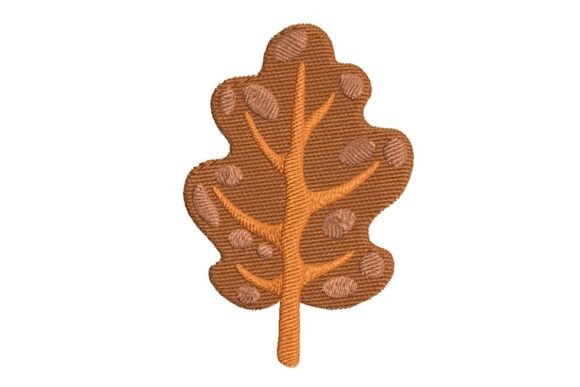
Rustic Autumn Oak Leaf Embroidery Design
First Impression: Warm, Grounded, and Instantly Seasonal
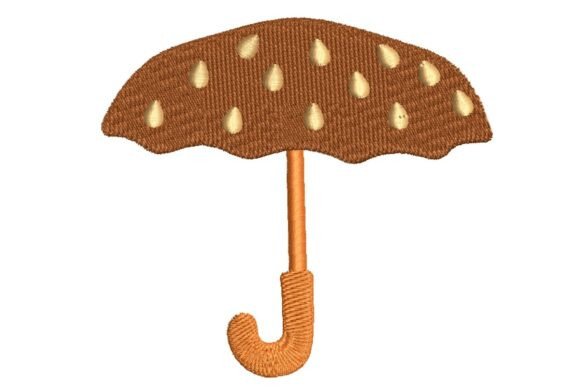
As an embroidery designer who’s prepped over 200 craft fair booths—from Portland bazaars to Nashville maker markets—I know what stops a shopper mid-aisle. The Rustic Autumn Oak Leaf Embroidery Design delivers that pause. It reads as warm, grounded, and unmistakably autumnal—not overly literal, not cutesy, but rich with texture and intention. That “warm, textured brown hue” paired with a “prominent orange stem” gives it farmhouse authenticity without leaning into cliché. It feels handmade before you even touch it—like something stitched by someone who knows oak bark, fallen leaves, and the quiet pride of seasonal rhythm.
Where This Design Shines on Craft Fair Products
This isn’t a one-trick design. It flexes beautifully across your most reliable small shop product categories:
- Tote bag design: Centered on a natural canvas or oatmeal linen tote, it reads cleanly from six feet away—no tiny details lost, no visual competition with handles or seams.
- Apron embroidery: Placed just above the pocket or subtly along the waistband, it adds heirloom warmth without overwhelming utility. Customers associate it with care, craft, and kitchen confidence.
- Tea towel embroidery: Works especially well on medium-weight cotton or linen blends. The textured brown thread catches light differently than flat digital prints—giving your handmade product instant tactile credibility.
- Embroidered patch: At 3–4 inches wide, the leaf holds shape and clarity. Ideal for iron-on or sew-on use on denim jackets, market bags, or kids’ backpacks—making it a repeat-purchase item for boutique makers.
- Fabric pouch & pillow cover: Its organic asymmetry softens geometric shapes. On a charcoal twill pouch or oat-colored linen pillow, it feels intentional—not decorative filler.
It’s less effective on curved cap surfaces (the stem detail may distort) or dense, napped fabrics like heavy fleece unless stabilized aggressively. And while it photographs well for Etsy listings, avoid placing it against busy backgrounds—the warmth of the brown/orange palette needs breathing room to read as premium.
Production Realities: What You Need to Test Before Booth Day
Before batch-producing your Rustic Autumn Oak Leaf Embroidery Design inventory, treat it like a new hire: vet it thoroughly.
- Test the embroidery file on scrap fabric matching your final product—especially if using textured towels or thick canvas. That “textured brown hue” depends heavily on thread quality and fabric interaction.
- Check thread contrast on both light and dark substrates. Orange stems pop on cream but fade on rust or charcoal unless you adjust thread weight or add underlay.
- Review spacing and stitch density—this design leans rustic, not minimalist, so dense fill areas are expected. But don’t assume it’ll auto-adjust for lightweight voile or silk-blend tea towels.
- Confirm hoop size and stabilizer needs. A medium-density tear-away works for most cottons—but switch to cut-away for knits or stretchy market bags.
- Create at least one real mockup—not just a printable mockup. See how the leaf drapes on a curved apron bib or how light hits the stem on a sunlit booth table.
- Compare fabric colors in natural light. That “warm brown” can skew reddish on beige linen or muddy on oat canvas. Adjust thread selection accordingly.
- Confirm commercial licensing before selling finished products. If this is a digital embroidery file from a third-party designer, verify it permits resale of physical goods—not just personal use.
Selling Strengths: Why This Design Converts at Market Stalls
The Rustic Autumn Oak Leaf Embroidery Design builds trust fast. Its simplicity reads as confident, not cheap. Its seasonality creates urgency (“I need this *now* for fall gifting”), but its timeless oak motif avoids expiration—customers buy it in October and gift it in December without feeling dated.
It elevates perceived value: a plain tea towel becomes a curated hostess gift; a basic canvas pouch becomes a thoughtful small shop product. For Etsy sellers, it pairs perfectly with neutral photography and earth-toned packaging—reinforcing brand consistency without demanding custom fonts or logos.
In your booth display, anchor it on three hero items: a folded linen apron, a hanging tea towel, and a leather-strap market tote. That trio communicates versatility, craftsmanship, and cohesive storytelling—all without a single word.
Careful-Use Notes: Protect Your Production Time & Reputation
This design is forgiving—but not foolproof. Avoid these pitfalls:
- Dense stitch areas may pucker thin fabrics or cause thread breaks on high-speed machines. Reduce speed or add extra underlay if stitching on rayon or bamboo blends.
- Tiny details aren’t present here (a strength), but the stem’s clean taper means low-resolution files or poorly digitized versions could lose definition. Always inspect the digital embroidery file at 200% zoom.
- Textured towels require tighter tension and possibly a topping stabilizer—otherwise the orange stem may disappear into the loops.
- Dark fabric demands higher-contrast thread or subtle satin stitch outlining—don’t assume the brown will read clearly on navy or charcoal.
- Small sizes (<2.5”) risk flattening the leaf’s dimensionality. Stick to 3" minimum for patches or 4" for focal placements on totes and pillows.
Final Verdict: A Reliable, Repeatable Workhorse for Creative Entrepreneurs
If your craft fair booth relies on steady turnover—not viral moments—the Rustic Autumn Oak Leaf Embroidery Design is exactly the kind of machine embroidery design that builds long-term customer loyalty. It’s not flashy, but it’s memorable. Not trendy, but deeply resonant. It performs consistently across embroidery types, fabric weights, and price points—making it ideal for small shop owners balancing handmade quality with scalable production.
For Cricut crafters adding embroidered accents, for boutique makers curating seasonal collections, for Etsy sellers building a recognizable aesthetic—it’s a quietly powerful design asset. Just remember: its rustic charm comes from precision, not approximation. Test, tweak, and trust the texture. Then watch customers reach—not for the biggest sign, but for the leaf that feels like home.