Two Rose Blossoms with Leaves Embroidery
A Craft Fair Designer’s First Look: Bold Yet Botanical, Handmade-Hearted
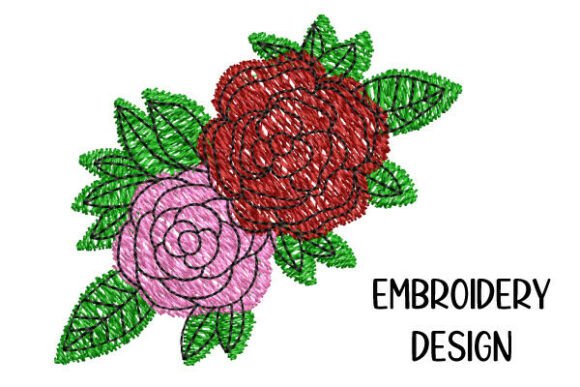
As an embroidery designer who’s prepped over 200 craft fair booths—from snowy holiday markets to sun-drenched summer fairs—I opened Two Rose Blossoms with Leaves Embroidery expecting charm. What I got was stronger: a design that feels both grounded and graceful. It’s not dainty or overly romantic—it’s alive. The “lively, irregular full stitch style” delivers immediate texture and movement, while the “natural, hand-drawn effect” signals authenticity—not mass production. For buyers scanning a crowded table, this reads as elegant but approachable, farmhouse-adjacent without leaning rustic, and quietly premium. That’s gold at a craft fair.
Where It Shines: Product-by-Product Reality Check
This isn’t a one-size-fits-all machine embroidery design. Its strength lies in intentional placement—and knowing where it earns its keep.
- Tote bag design: Perfect centered on the front panel of a natural canvas or oat linen tote. Large enough to read from three feet away, detailed enough to invite closer inspection. Customers pause, point, and say, “Oh—roses!”
- Apron embroidery: Ideal above the pocket or subtly on the bib. The irregular stitch rhythm echoes handmade effort—ideal for bakeries, florists, or herbalists selling at markets.
- Tea towel embroidery: Works beautifully on the lower corner or folded edge. The textured fill holds up against fabric texture and frequent washing—no flat satin stitch here to wear thin.
- Embroidered patch: Highly effective at 3–4 inches wide. Clean outer edges + organic interior detail = high perceived value. Great for pinning, ironing on jackets, or bundling as a small-shop product.
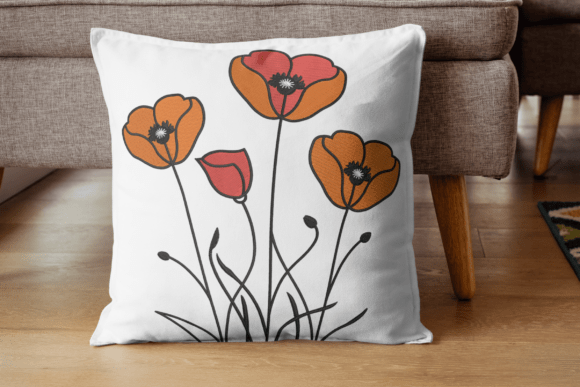
- Pillow cover & pouch embroidery: A standout on cream, charcoal, or olive linen. The two-blossom balance avoids visual clutter—unlike single-stem designs that can feel sparse or dense bouquets that overwhelm small surfaces.
- Caps & curved surfaces: Use caution. The irregular full stitch works best on flatter planes. On curved caps, test stitch density first—tight areas may pucker without proper stabilizer and hooping technique.
What Buyers Notice (and Why They Reach Out)
In person, Two Rose Blossoms with Leaves Embroidery wins with visual rhythm—not symmetry. One bloom opens wide; the other curls slightly inward. Leaves twist naturally, not rigidly. That subtle asymmetry reads as human-made, not algorithm-generated. At a craft fair, that difference builds trust. Shoppers linger longer. They ask, “Did you stitch these yourself?” even when it’s machine-embroidered—because the design *feels* hand-guided.
For Etsy sellers and digital embroidery file shops, this design photographs exceptionally well. The textured fill adds depth under soft lighting—no flat glare, no lost detail. Pair it with neutral backgrounds and natural light, and your printable mockup gains instant credibility. It also scales cleanly: looks intentional at 2.5” (patch) and commanding at 6” (tote), making it versatile across listings.
Production Smarts: What to Test Before You Hoop
Don’t skip the real-world prep—even if you’ve stitched hundreds of floral designs. Here’s what I verify every time:
- Test on scrap fabric matching your final product—especially textured towels or thick denim. Does the irregular full stitch lift or flatten?
- Check thread contrast on light AND dark fabrics. Rosy pinks fade on black; deep burgundy pops—but only if your thread palette supports it.
- Review spacing between blossoms and leaves. Too tight? Stitch density increases risk of puckering. Too loose? Loses cohesion. This design walks that line well—but confirm with your machine’s tension settings.
- Confirm hoop size compatibility. If your booth relies on quick-change hoops, know whether this fits your standard 4x4, 5x7, or larger frame.
- Inspect stitch density in leaf veins and petal edges. Tiny details hold up surprisingly well—but always use cutaway or tear-away stabilizer appropriate for fabric weight.
- Create at least one real mockup—not just a digital preview. Drape it on your tote, hold it up beside your tea towels, see how it lives in your booth lighting.
- Compare fabric colors side-by-side. A warm ivory linen vs. cool stone gray changes how the roses read—soft vs. structured, vintage vs. modern.
- Confirm commercial licensing before stitching finished products for resale. As a designer, I never assume—always verify terms before committing to 50 embroidered pouches.
Design Discipline Notes: Where Caution Meets Clarity
Two Rose Blossoms with Leaves Embroidery is forgiving—but not foolproof. Avoid using it:
- At under 2” wide—tiny details blur, losing the hand-drawn charm;
- On ultra-thick or highly napped fabrics (like heavy fleece or terry cloth) without aggressive stabilizing;
- With low-contrast thread on dark fabric—petals may vanish unless you adjust density or add underlay;
- As a repeat pattern without testing spacing—those irregular leaves don’t tile predictably;
- On curved cap fronts without re-hooping or digitized adaptation—stitch direction matters more here than on flat goods.
Why This Design Strengthens Your Entire Booth
It’s more than a pretty motif—it’s a booth anchor. When paired with neutral textiles, Two Rose Blossoms with Leaves Embroidery adds warmth without sweetness, structure without stiffness. It elevates a simple market bag into a giftable handmade product. It gives your apron embroidery storytelling power. And because it belongs to the Bouquets category yet avoids cliché, it stands apart from generic “floral” listings on Etsy or handmade market apps.
Most importantly: it invites engagement. Customers trace the petals with their eyes—and often, their fingers. That tactile pull converts glances into conversations, conversations into sales. For creative entrepreneurs building a recognizable brand, this design doesn’t shout—it resonates. And in a sea of sameness, resonance sells.