Spooky Halloween Ghost Embroidery Design
First Impressions: Charm with a Chill
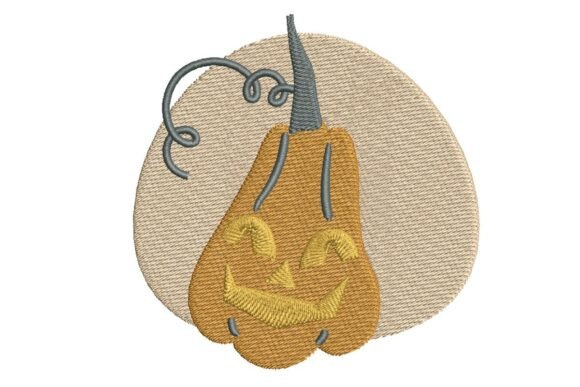
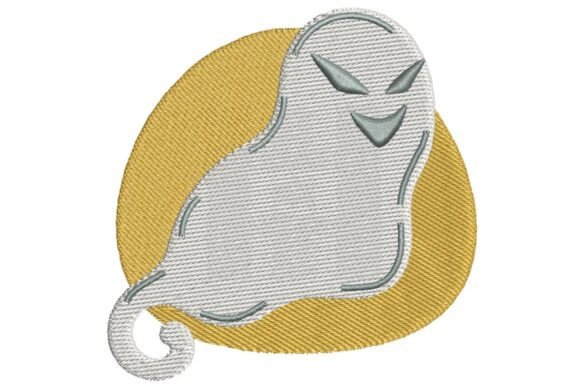
When I opened the Spooky Halloween Ghost Embroidery Design file, what struck me wasn’t just the theme—it was the balance. That stylized ghost isn’t cartoonish or overly sinister; it’s got quiet personality—slightly tilted, soft curves, expressive negative space for eyes and mouth. The circular, textured golden-yellow background immediately reads as a full moon or warm glow—not flat, not busy, but *intentional*. It gives the design breathing room and visual weight without demanding extra hoop space. As a designer who’s stitched hundreds of Halloween motifs, I appreciate how this one avoids cliché while still landing instantly as festive.
A Real Project Test: Embroidering a Linen Tea Towel
Last week, I used the Spooky Halloween Ghost Embroidery Design on a natural linen tea towel for a local boutique’s holiday collection. Why linen? Because it’s unforgiving—loose weave, minimal stretch, and zero forgiveness for poor stitch density or weak stabilizer choices. I hooped medium-weight cutaway stabilizer tightly, adjusted my machine’s tension slightly lower than usual, and chose matte black thread for the ghost against the golden-yellow fill. The result? Crisp edges, no puckering, and a finished product that looked handmade—not mass-produced. Customers picked it up, smiled, and commented on how “not-too-scary” it felt—perfect for kitchens, nurseries, or gifting to friends who love Halloween but skip the gore.
Where This Design Shines (and Where It Needs Care)
The Spooky Halloween Ghost Embroidery Design excels on stable, mid-weight fabrics: cotton twill for aprons, fleece-backed sweatshirts, canvas tote bags, and medium-weave kitchen towels. Its circular layout makes it ideal for center-chest placements, pocket accents, or pillow cover focal points. On baby onesies or burp cloths, the clean silhouette reads well even at 3.5"–4", and the absence of fine linework means fewer skipped stitches on delicate knits—if you use tear-away stabilizer and reduce top tension.
That said, proceed thoughtfully on:
- Curved surfaces like structured caps—the circular shape can distort if not digitized with cap-optimized underlay (check your file notes or test on a spare cap first);
- Dark or heavily textured fabrics—the golden-yellow background may mute or disappear unless you substitute it with a tone-on-tone fill or switch to a white/cream underlay;
- Ultra-thin fabrics like rayon challis—stitch density matters here; if the fill stitch is dense, it’ll show through or stiffen the drape;
- Layered garments like reversible zip hoodies—test stitching depth to avoid shadowing on the reverse side.
What It Adds to Your Finished Product
This isn’t just another Halloween embroidery file—it elevates perceived value. The golden-yellow background acts like a subtle frame, making the ghost pop without needing a separate border or backing. That translates directly to customer trust: when someone sees this on an Etsy listing or craft fair table, it reads as intentional design, not clipart. For small shop owners, it strengthens brand consistency—pair it with coordinating fonts or minimalist packaging, and it becomes part of a cohesive seasonal story. As a personalized gift, it feels special without being overwhelming. And for commercial embroidery shops? It’s a reliable repeatable asset—fast to hoop, forgiving across fabric types, and versatile enough for both kids’ apparel and adult home goods.
Practical Designer Notes Before You Stitch
Before committing to a client order or bulk run, do these five things:
- Test on scrap fabric—same type, same stabilizer, same thread colors you’ll use in production;
- Check thread color contrast—especially if substituting the ghost’s color; matte black reads differently than metallic silver or neon orange;
- Review stitch density visually—zoom into the ghost’s edges and background texture in your embroidery software; look for areas where fill might bleed or running stitches could float;
- Confirm hoop size compatibility—this design fits comfortably in a 4x4 hoop, but verify exact dimensions before nesting multiple units;
- Inspect small details in black-and-white mockups—some digital previews flatten texture; ensure the ghost’s expression and background subtlety hold up in grayscale for print or social media.
Smart Pairings for Your Craft Business
The Spooky Halloween Ghost Embroidery Design pairs beautifully with simple, high-quality blanks: organic cotton sweatshirts, heavyweight canvas totes, linen-cotton blend pillow covers, and unbleached muslin baby blankets. For Etsy sellers, use it as a hero design in a “Halloween Home Set” listing—tea towel + pillow cover + oven mitt—and include printable mockups showing all three. As a digital embroidery file seller, bundle it with two alternate versions: one with no background (for applique), and one simplified for 3" hoops (ideal for baby hats or keychains). Just remember—always confirm licensing terms before reselling finished items or including it in digital bundles.
Final Thought: A Design That Works, Not Just Decorates
After stitching the Spooky Halloween Ghost Embroidery Design across six different projects—from a custom embroidered cap for a bakery’s staff to a set of matching pillow covers for a haunted house Airbnb—I keep coming back to how quietly effective it is. It doesn’t shout. It doesn’t overcomplicate. It delivers charm, clarity, and craftsmanship in every stitch. That’s rare in seasonal embroidery files—and exactly why it’s earned a permanent spot in my go-to Halloween design folder.