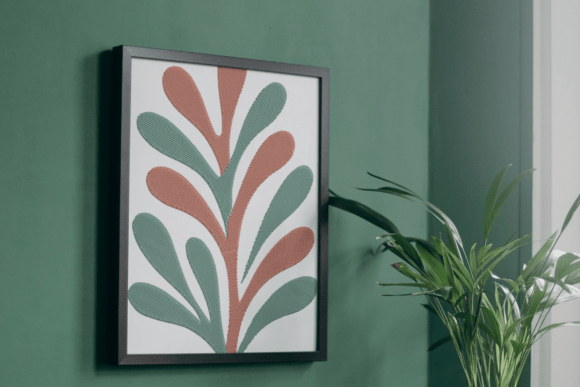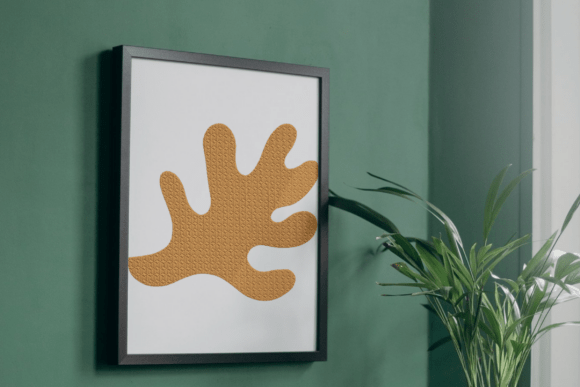
Textured Saguaro Cactus Embroidery Design
A Seasonal Designer’s First Impression: Earthy, Elevated, Unexpectedly Festive
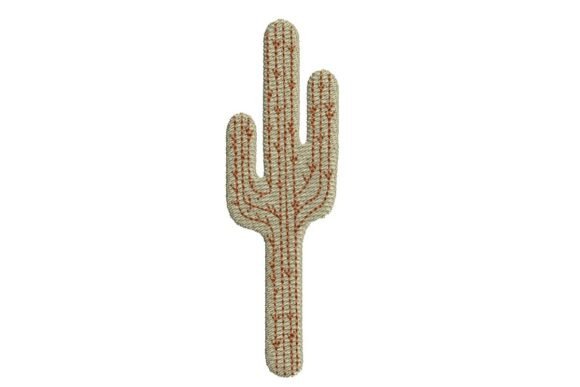
As an embroidery designer who’s built seasonal collections for over a decade—think holiday markets, limited-run Etsy drops, and family gift lines—I opened the Textured Saguaro Cactus Embroidery Design expecting desert minimalism. What I found was something richer: a tall, grounded silhouette with subtle dimensionality, rendered in a natural, earthy palette that feels both timeless and refreshingly intentional. This isn’t just a botanical motif—it’s a mood. It reads as rustic yet refined, calm but confident. It leans into warmth without leaning on cliché holiday symbols, making it ideal for customers seeking meaningful, non-traditional seasonal style.
Why It Fits Real Holiday Product Scenarios—Not Just Theory
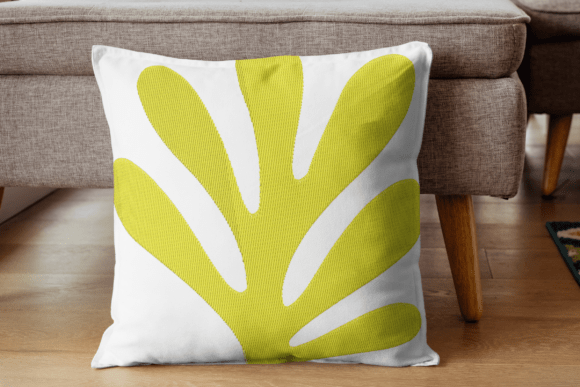
The Textured Saguaro Cactus Embroidery Design performs exceptionally well across high-demand seasonal formats. On heavyweight cotton sweatshirts or oversized tote bags, its vertical scale anchors the composition beautifully—no awkward cropping, no lost detail. For kitchen towel embroidery or pillow covers, the cactus’s clean lines and open negative space allow fabric texture to shine through, enhancing tactile appeal. As a centerpiece on embroidered patches or aprons, it signals artisan quality—not mass production.
It shines in gift bundles: pair it with terracotta mugs, linen napkins, or hand-poured sage candles for curated desert-chic sets. On Etsy, this design supports strong visual storytelling—imagine a printable mockup showing the same cactus stitched on a neutral baby onesie, a linen tea towel, and a jute ornament. That consistency builds brand recognition fast. At craft fairs, it stands out among floral-heavy booths while still fitting comfortably within the Single Flowers category—not as a rose or tulip, but as a bold, regionally resonant botanical statement.
Where to Use It Thoughtfully—Not Everywhere
This is not a “set-and-forget” machine embroidery design. Its textured fill and organic curves demand attention to context. Avoid using it on curved caps or stretchy knit garments unless you’ve tested stabilizer combinations thoroughly—the arms may distort under tension. On dark fabric, test thread colors carefully: light beige fills can recede or disappear without contrast stitching or a subtle outline. Thick terry cloth towels require extra stabilization to prevent puckering around the cactus’s base; consider simplifying the fill density if stitch count runs high.
Small hoop sizes (under 4x4 inches) risk flattening its presence—the height and arm curvature need breathing room. Tiny lettering? Not part of this design, so don’t force monograms into tight margins. Metallic thread adds glamour but may obscure texture; reserve it for special-edition holiday releases, not everyday production. And always confirm commercial licensing before selling finished products—this is a digital embroidery file meant for resale-ready handmade gifts, not personal-use-only files.
Emotional & Commercial Impact During Peak Season
Holiday shoppers don’t just buy stitches—they buy feeling. The Textured Saguaro Cactus Embroidery Design taps into quiet confidence, resilience, and grounded joy—values that resonate deeply during hectic December days. That emotional resonance lifts perceived product value: a $38 embroidered pillow cover feels premium because the design reads intentional, not generic. It boosts giftability—customers confidently choose it for teachers, new homeowners, or Southwest-loving grandparents because it feels personal without requiring customization.
For Etsy sellers and small shop owners, this design strengthens customer trust. Its cohesive, professional execution signals expertise—no jagged edges, no floating stems. Visually, it’s instantly recognizable at thumbnail size, helping your listings stand out in crowded feeds. And because it’s rooted in nature—not trend-driven—it supports long-term brand consistency across seasons, from spring home decor launches to winter gift guides.
Practical Designer Notes You’ll Actually Use
- Always test thread colors on both light and dark fabric—especially that light beige fill. Try warm taupe or soft sand alternatives for depth.
- Check stitch density before bulk production. High-density fills look lush on stable fabrics but may stiffen delicate linens or baby items.
- Confirm hoop size compatibility—this design’s vertical emphasis means it may exceed standard 5x7 boundaries. Don’t assume.
- Use cutaway or tear-away stabilizer based on fabric texture: cutaway for knits and towels, tear-away for crisp cottons and quilting weight.
- Create realistic mockups—not just flat white backgrounds. Show it on oatmeal linen, charcoal fleece, and natural canvas to reflect real customer use.
- Review small details post-stitch: ensure arm tips are sharp, not frayed, and that the cactus’s natural ridges read clearly—not muddy.
- Plan matching color palettes in advance: think terracotta, sage, warm gray, and cream—not just neutrals, but harmonizing tones for coordinated seasonal embroidery collections.
- Verify commercial licensing before listing any finished product. This is essential for sweatshirt embroidery, tote bag design, kitchen towel embroidery, and all other holiday embroidery applications.
Final Thought: A Quiet Anchor in a Noisy Season
In a market flooded with snowflakes, reindeer, and glitter, the Textured Saguaro Cactus Embroidery Design offers something rare: seasonal relevance without seasonal obligation. It works year-round but lands with quiet power during gifting seasons—because it feels like a choice, not a compromise. For embroidery sellers building thoughtful, scalable collections—and for handmade gift makers who know their customers crave authenticity over algorithm-friendly trends—this design isn’t just another file. It’s a strategic, emotionally intelligent addition to your seasonal embroidery toolkit.